Garage Mold Remediation in Dallas, TX
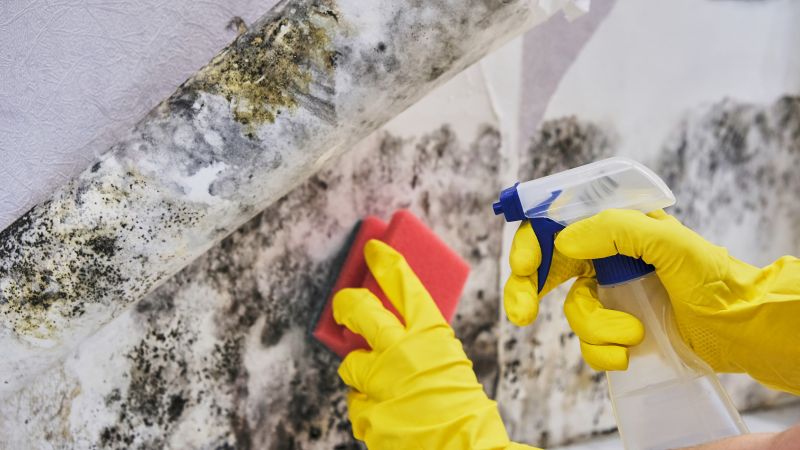
Garage mold remediation services focus on identifying and removing mold growth within garage spaces to promote a healthier environment for homeowners. These projects typically involve inspecting areas such as walls, ceilings, floors, and storage zones where excess moisture or water intrusion may lead to mold development. Property owners often seek this service when noticing visible mold, musty odors, or experiencing allergy-like symptoms, especially after water leaks, flooding, or high humidity conditions.
Before requesting garage mold remediation, property owners should understand the extent of mold presence, the types of materials affected, and any underlying moisture issues contributing to mold growth. Proper assessment helps determine the appropriate removal methods and whether additional repairs or moisture control measures are necessary to prevent future mold problems. Clear information about the scope of the project and any specific concerns can support a thorough and effective remediation process.
Many property owners in Dallas, TX look into Garage Mold Remediation for repairs, replacements, upgrades, and appearance-related improvements.
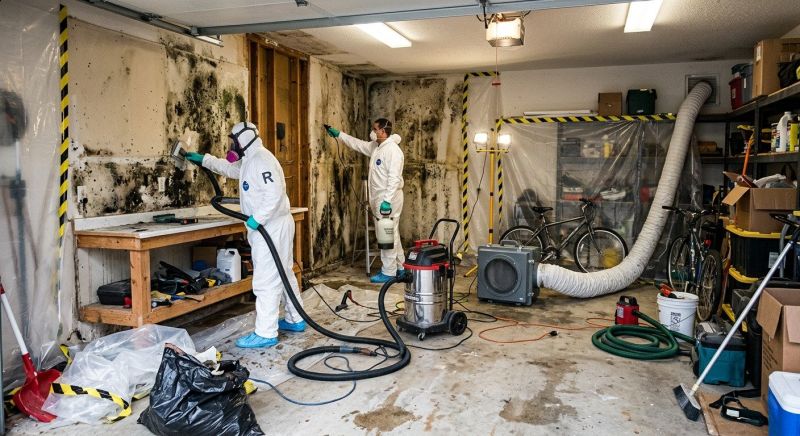
Identifying Mold In Your Garage
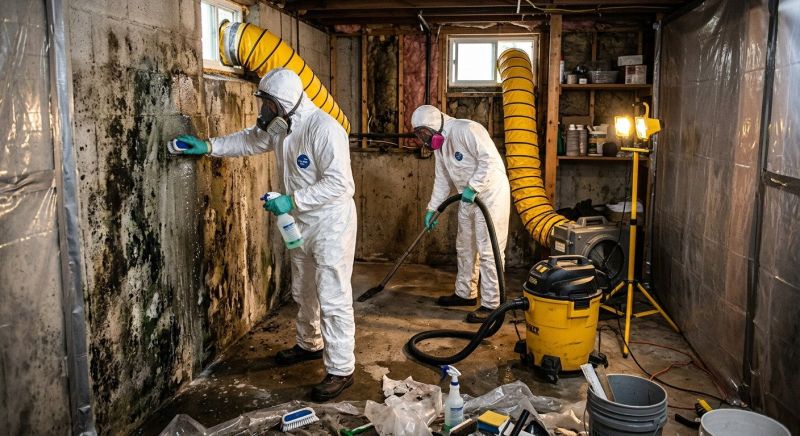
Signs of mold include musty odors, discoloration, and visible growth on walls or ceilings.
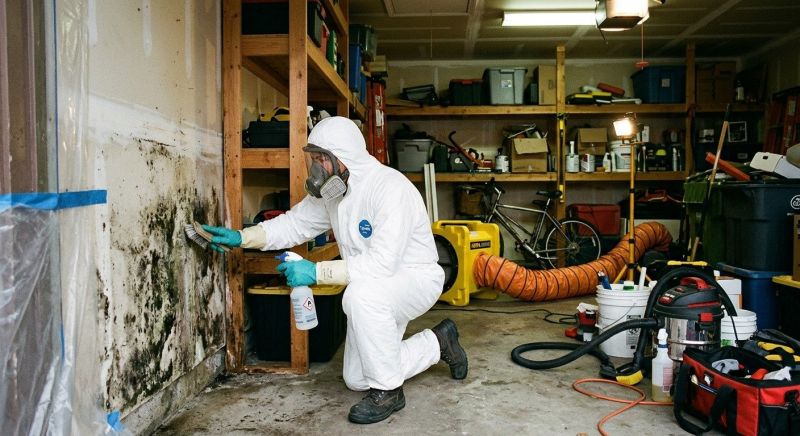
Health Risks Of Garage Mold
Exposure to mold spores can cause allergy symptoms, respiratory issues, and other health concerns for residents.
Preventing Future Mold Growth
Controlling humidity levels and fixing leaks help reduce the chances of mold returning in your garage.
Garage Mold Remediation in Dallas, TX

Garage mold remediation services focus on identifying and removing mold growth within garage spaces to promote a healthier environment for homeowners. These projects typically involve inspecting areas such as walls, ceilings, floors, and storage zones where excess moisture or water intrusion may lead to mold development. Property owners often seek this service when noticing visible mold, musty odors, or experiencing allergy-like symptoms, especially after water leaks, flooding, or high humidity conditions.
Before requesting garage mold remediation, property owners should understand the extent of mold presence, the types of materials affected, and any underlying moisture issues contributing to mold growth. Proper assessment helps determine the appropriate removal methods and whether additional repairs or moisture control measures are necessary to prevent future mold problems. Clear information about the scope of the project and any specific concerns can support a thorough and effective remediation process.
Many property owners in Dallas, TX look into Garage Mold Remediation for repairs, replacements, upgrades, and appearance-related improvements.
Common Garage Mold Remediation Jobs
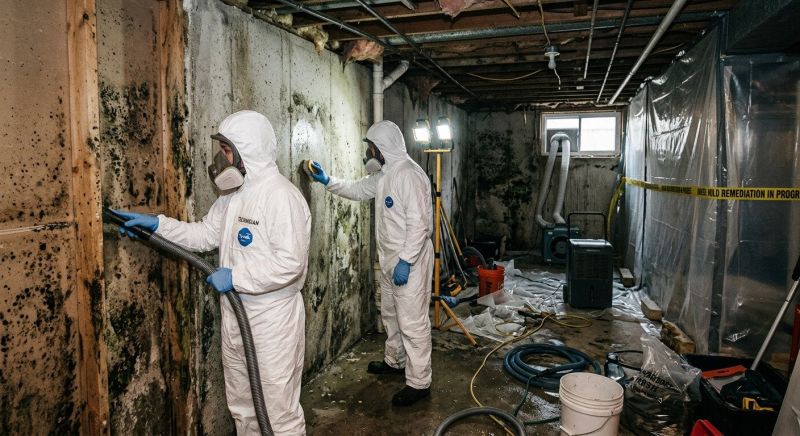
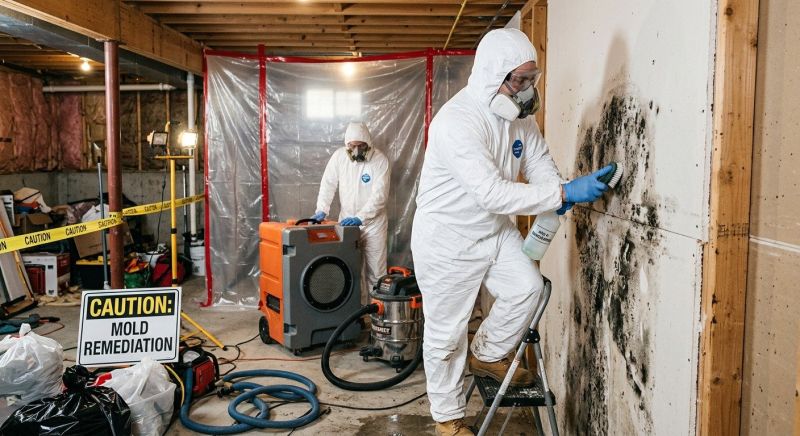
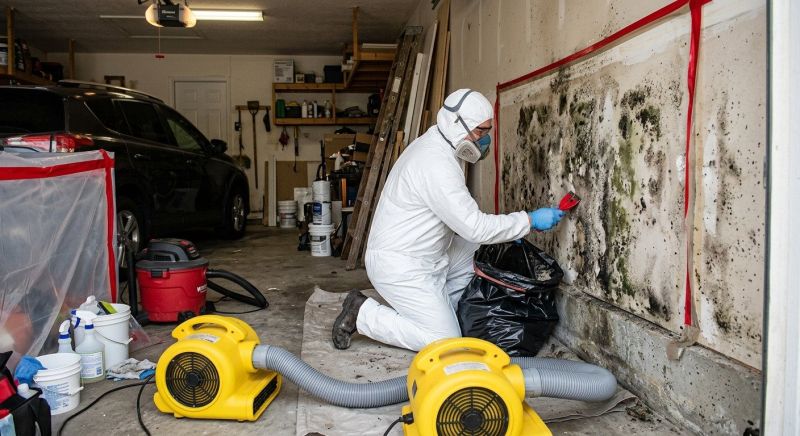
Garage Mold Removal - eliminates mold growth on garage walls, ceilings, and floors.
Mold Inspection - identifies hidden mold issues behind drywall and insulation.
Water Damage Restoration - addresses moisture problems that contribute to mold development.
Mold Prevention - applies treatments to inhibit future mold growth in the garage.
Structural Drying - thoroughly dries out affected areas to prevent mold recurrence.
Ventilation Improvement - enhances airflow to reduce humidity and control mold growth.
Garage Mold Remediation Questions
What causes mold growth in garages? Mold in garages often results from excess moisture, humidity, or water leaks that create damp conditions suitable for mold development.
How can mold be identified in a garage? Signs include visible black or green patches, musty odors, and moisture buildup on walls or stored items.
What are common areas affected by garage mold? Mold typically appears on walls, ceilings, stored items, and around areas with water leaks or poor ventilation.
Why is mold remediation important for garages? Removing mold helps prevent health issues and protects the structural integrity of the property.
Request Garage Mold Remediation in Dallas, TX
Use the quote form on this page to share the basics of your project and request more information for the type of work you need.