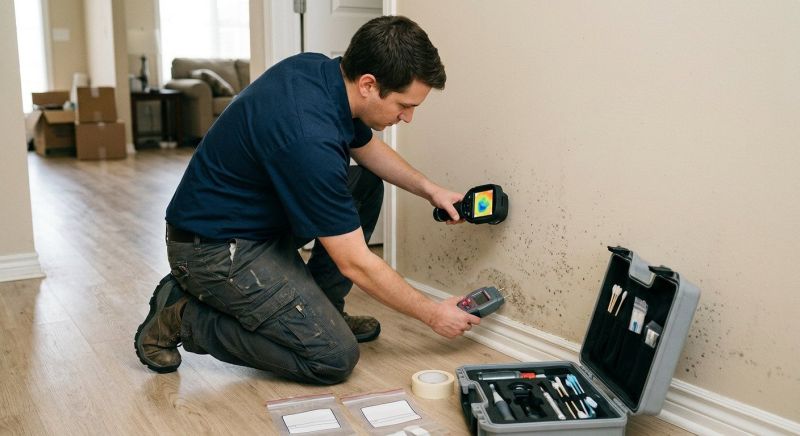
Mold Detection in Fort Worth, TX
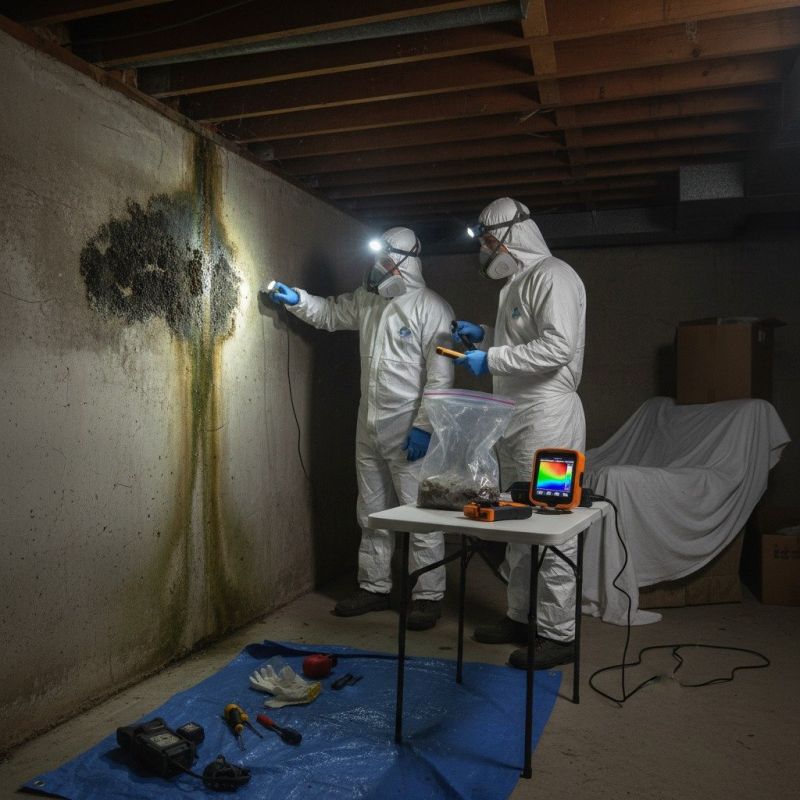
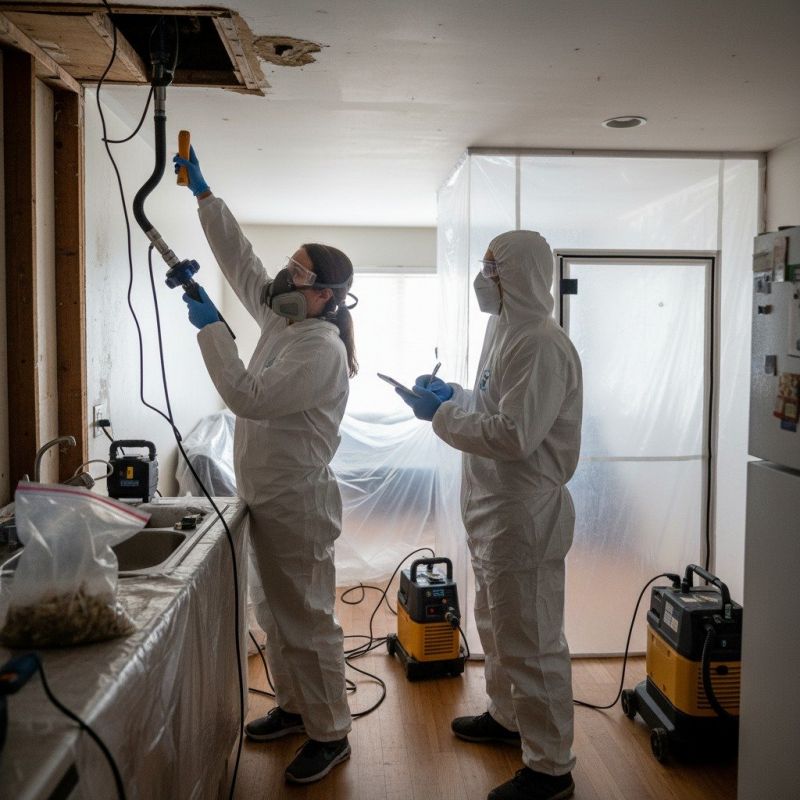
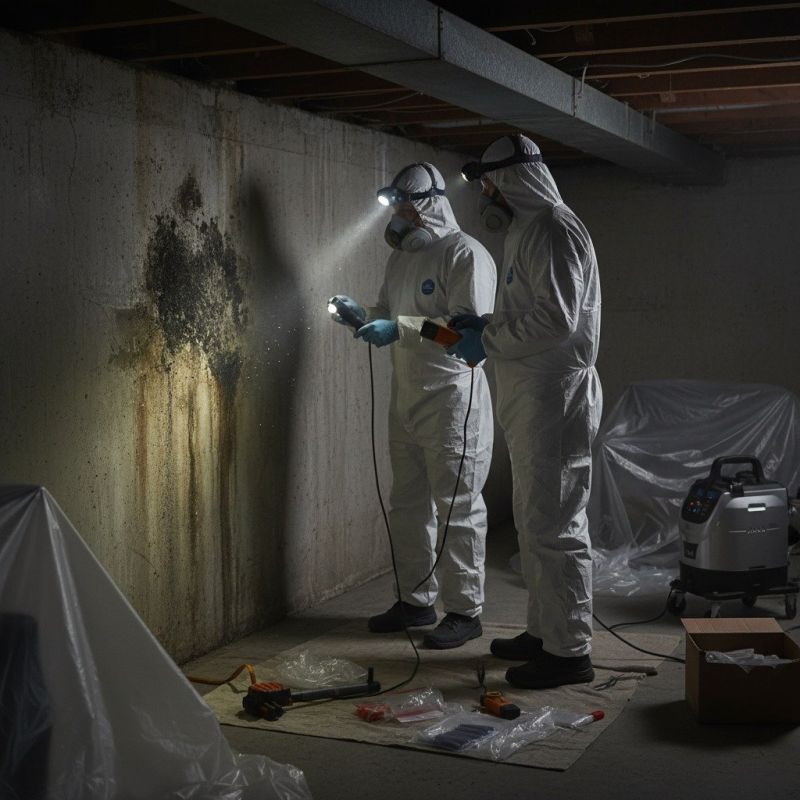
Mold detection services involve inspecting properties to identify the presence of mold growth that may not be immediately visible. These services typically cover residential projects such as homes experiencing musty odors, visible mold patches, or moisture issues, as well as areas prone to humidity or water intrusion. Property owners often seek mold detection to understand if mold is affecting indoor air quality, to locate hidden mold behind walls or under flooring, or to assess the extent of mold growth after water damage or flooding.
Before requesting mold detection, homeowners usually want to know what areas will be examined, what methods are used to identify mold, and how the findings might impact their property. Understanding the scope of the inspection helps determine if further remediation or repairs are necessary. It’s also common for property owners to inquire about potential health concerns associated with mold and how detection results can inform appropriate steps to address any issues.
Many property owners in Fort Worth, TX look into Mold Detection for repairs, replacements, upgrades, and appearance-related improvements.
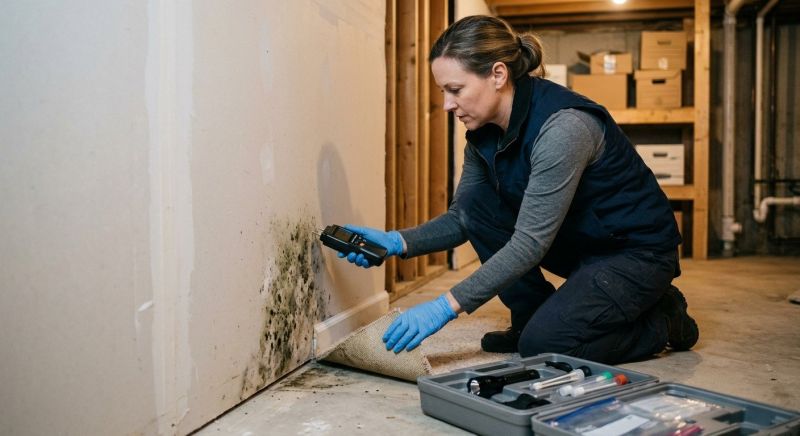
Identifying Hidden Mold
Detects mold growth in areas that are hard to see or access within homes and buildings.
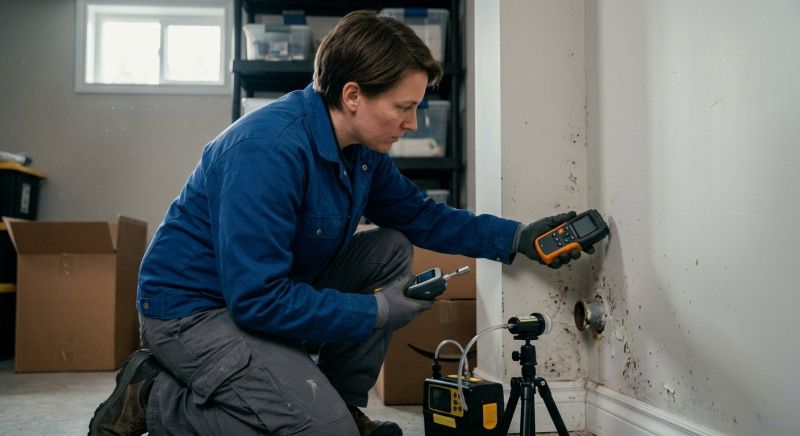
Assessing Indoor Air Quality
Evaluates mold spores in the air to ensure a healthy living environment in fort worth homes.
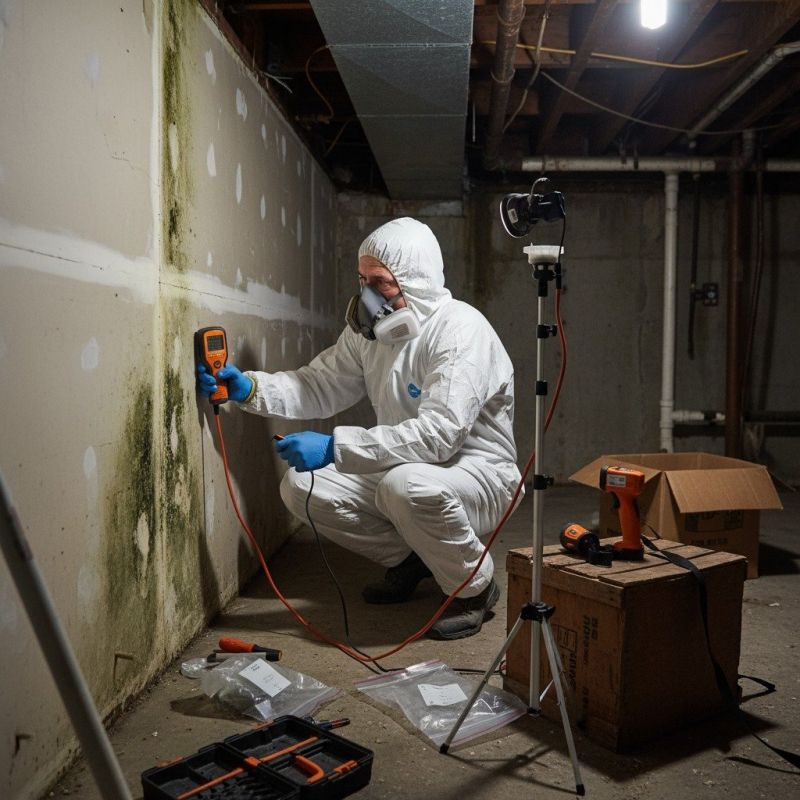
Preventing Structural Damage
Finds mold sources early to help protect property integrity and avoid costly repairs.
Mold Detection in Fort Worth, TX

Mold detection services involve inspecting properties to identify the presence of mold growth that may not be immediately visible. These services typically cover residential projects such as homes experiencing musty odors, visible mold patches, or moisture issues, as well as areas prone to humidity or water intrusion. Property owners often seek mold detection to understand if mold is affecting indoor air quality, to locate hidden mold behind walls or under flooring, or to assess the extent of mold growth after water damage or flooding.
Before requesting mold detection, homeowners usually want to know what areas will be examined, what methods are used to identify mold, and how the findings might impact their property. Understanding the scope of the inspection helps determine if further remediation or repairs are necessary. It’s also common for property owners to inquire about potential health concerns associated with mold and how detection results can inform appropriate steps to address any issues.
Many property owners in Fort Worth, TX look into Mold Detection for repairs, replacements, upgrades, and appearance-related improvements.
Common Mold Detection Jobs
Mold Detection Services - identifying hidden mold growth in residential and commercial properties.
Moisture Inspection - locating sources of excess humidity that can lead to mold development.
Indoor Air Quality Testing - assessing air for mold spores and airborne contaminants.
Property Inspection - evaluating building materials for signs of mold presence.
Post-Remediation Verification - confirming mold removal efforts have been successful.
Preventive Assessments - detecting early signs of moisture issues to prevent mold growth.
Mold Detection Questions
What are signs of mold in a property? Visible discoloration, musty odors, and increased allergy symptoms can indicate mold presence.
How does mold detection work? It involves inspecting areas prone to moisture and collecting samples to identify mold types and concentrations.
Why is mold detection important? Identifying mold early helps prevent health issues and property damage caused by unseen growth.
What areas are commonly tested for mold? Attics, basements, bathrooms, and around leaks or water damage are typical testing locations.
Request Mold Detection in Fort Worth, TX
Use the quote form on this page to share the basics of your project and request more information for the type of work you need.